We have gathered the most reputable clinics near you, so you can browse options, compare costs, and feel confident choosing the right expert.
All listings meet UK safety and professional standards.
Find A Verified Clinic


Trusted Acne Experts, Local to You
Easily connect with qualified, verified professionals for safe, reliable treatment.
The Old Town Hall, Markets Sq, Toddington, Dunstable, LU56QJ
We are a kind, caring friendly team that will educate and inform you of all your treatment options. Your health, safety and wellbeing is our number one priority. Our aim is to make you look refreshed and feel confident 'within your skin.'
14 high street, Toddington , LU5 6by
Escape Aesthetics based in Bedfordshire is an award-winning family business run by Fully-Qualified Aesthetic Practitioners, mother and daughter duo- Shamem and Aniqah Jamal.
Millfield House, 20c Miller Road, Bedford, MK42 9NZ
As a Harley Street Trained Aesthetic Nurse my range of medically graded non- surgical treatments may well be the answer. Whether the passage of time or damage from the suns rays have affected your appearance, with my treatments, we can turn back the clock.
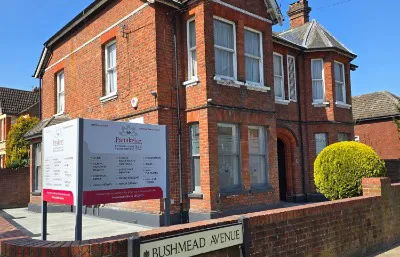
35b Bushmead Avenue, Bedford, MK40 3QH
We are an award-winning clinic in Bedford specialising in the most proven effective aesthetic & medical treatments carried out by some of the top professionals in their fields. We are CQC regulated and provide you with the best care from entering the clinic to the moment you leave.
52 Thor Drive, Bedford, MK41 0WP
Experience the pinnacle of aesthetic excellence at the Rejuvena Clinic. Our Clinic is led by Dr Nick, who is the founder, co-owner and medical director for the Rejuvena clinic.
Lower Harpenden Road, Bedfordshire, East Hyde, LU2 9QS
The Riverbanks Clinic in Harpenden is a truly medical aesthetic practice only offering treatments which have been clinically proven to work, avoid all the fad crazes which are so often under-researched and ineffective. We a team of experienced aesthetic doctors headed by Dr Ravi Jain.
unit 8, manor farm business park, entrance opposite 1 cranfield road, Astwood, MK16 9JU
Private Health & Skin Clinic for Adults & Children offering Ear Wax Removal, Skin Lesions Removal, Dermoscopy, Urgent Care Appointments, Injections, Cryotherapy, Wound Care, Contraception
See exactly where verified Acne clinics are located across Bedfordshire.
Zoom in, pan around, and click any marker to view each clinic’s profile, read reviews, and check their credentials before you book.
Clear, concise answers to common queries
A simple, no-fluff roundup of frequent Acne questions to help you get the facts fast.
Yes, acne can return even after a period of improvement. This often depends on underlying factors such as hormones, skin type, or ongoing triggers like stress or skincare habits. For many people, acne is a recurring condition rather than something permanently resolved, so longer-term management is often needed.
Combining treatments can be appropriate, but it needs to be done carefully. Using too many active ingredients at once may irritate the skin and worsen breakouts. A clinician or pharmacist can help you decide: -Which treatments can be used together -How to introduce them gradually -When to pause or adjust your routine
Most acne treatments take time to show meaningful change. In many cases: Topical treatments are reviewed after 8 to 12 weeks -Prescription treatments may require longer monitoring -Initial worsening can occur before improvement -Stopping too early can make it difficult to judge effectiveness.
Not always. Mild acne can often be managed with over-the-counter skincare and consistent routines. However, medical advice may be appropriate if: -Acne is persistent or worsening -There is a risk of scarring -Over-the-counter options are not helping The level of treatment depends on severity and individual response.
In some cases, clinic-based treatments may be used alongside medical management. These can include options such as chemical peels or light-based therapies, and in some clinics technologies like LDM® Triple are used to support skin function. Suitability depends on the type and severity of acne, and should be assessed by a qualified practitioner.
Acne can sometimes be associated with underlying factors such as hormonal changes or conditions that affect hormone balance. For example, some people with persistent adult acne may be assessed for hormonal influences. Not all acne is linked to a medical condition, but patterns and timing can offer useful clues.
Yes, acne can change in both appearance and behaviour over time. Adult acne may: -Be more concentrated around the lower face or jawline -Be slower to resolve -Occur alongside dryness or sensitivity This can influence how treatment is selected and tolerated.
Complete prevention is not always achievable, particularly when internal factors like hormones are involved. However, it is often possible to reduce the frequency or severity of breakouts by: -Following a consistent skincare routine -Avoiding known personal triggers -Seeking early advice if patterns change
Yes, many acne treatments can increase sensitivity, especially those that exfoliate or reduce oil production. This may lead to dryness, redness, or irritation if not managed carefully. Adjusting product strength, frequency, or layering with supportive skincare can help maintain balance.
You may consider specialist advice if: - Acne is severe, painful, or leaving marks - Previous treatments have not worked - There is uncertainty about the type of acne Specialists can offer a more detailed assessment and access to prescription or advanced treatment options.
Yes, there can be differences in access and approach. NHS care is typically based on clinical need and may involve stepwise treatment over time. Private clinics may offer: - Shorter waiting times - Access to a wider range of aesthetic treatments - More tailored treatment planning Both pathways aim to manage acne safely, but availability and timelines can differ.
Lifestyle factors can influence acne in some individuals, although they are rarely the sole cause. Areas that may have an impact include: - Stress levels - Sleep patterns - Skincare consistency Changes may support overall skin health, but results vary from person to person.
Treatment approaches are generally similar, but there are important considerations. Skin of colour may be more prone to post-inflammatory pigmentation, so treatment plans often prioritise: - Reducing inflammation early - Avoiding irritation - Supporting even skin tone A tailored approach can help minimise longer-term skin changes.
Yes, acne can leave visible marks such as pigmentation or scarring. These may persist after active breakouts have settled. Early and appropriate management can reduce this risk, and there are treatments available to address these changes if they occur.
Join our free newsletter to receive updates on the latest treatments, safety guidance, and exclusive clinic offers near you.
No spam, just expert insights and trusted advice from the UK’s leading aesthetics directory.